The difference between title loans and payday loans
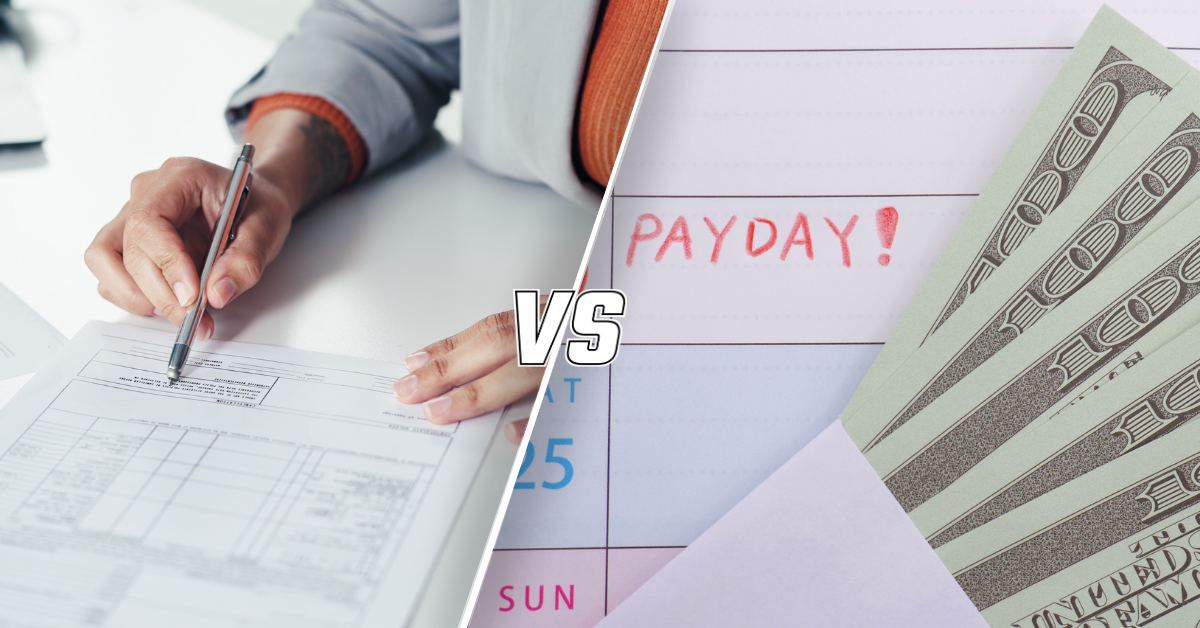
Key Takeaways
- Title loans are secured by vehicle ownership, while payday loans are typically unsecured.
- Payday loans offer smaller amounts with short-term repayment, title loans may allow larger loans based on vehicle equity.
- Both loans often carry higher fees and interest rates, but differ in structure and risk to the borrower.
- Understanding terms, collateral requirements, and repayment obligations is essential before borrowing.
- Florida’s regulations affect both loan types but vary in application and protections.
Introduction
Title loans and payday loans serve as short-term financial solutions but differ significantly in structure, cost, and risk. Understanding these differences matters to borrowers in Plantation and throughout Florida who are evaluating options for urgent or emergency cash needs. This blog provides clear, factual information to help borrowers and researchers distinguish between the two loan types and assess their suitability.
Understanding what impacts the timeline and what steps are involved enables borrowers to plan better and make informed decisions about accessing same-day auto equity loans.
What Are Title Loans?
Title loans in Florida, often called auto equity loans, are secured loans where borrowers use their vehicle title as collateral. The loan amount depends primarily on the value and equity of the vehicle. Borrowers retain possession of their vehicle but must repay the loan to avoid repossession.
Key features include:
- Secured by vehicle ownership
- Loan amount tied to vehicle value
- Typically higher loan amounts than payday loans
- Short to medium-term repayment periods
What Are Payday Loans?
Payday loans are unsecured, short-term loans designed to cover immediate expenses until the borrower’s next paycheck. They usually involve small loan amounts and require repayment in a lump sum on the borrower’s upcoming pay date.
Key features include:
- No collateral required
- Small loan amounts (usually under $1,000)
- Very short repayment terms (often 2-4 weeks)
- Quick application and funding process
Key Differences Between Title Loans and Payday Loans
Collateral and Loan Security
- Title Loans: Secured by the vehicle title; failure to repay can lead to vehicle repossession.
- Payday Loans: Unsecured; failure to repay results in collection actions but no asset seizure.
Loan Amounts and Limits
- Title Loans: Loan amounts depend on vehicle equity, potentially several thousand dollars.
- Payday Loans: Typically limited to a few hundred dollars based on income and state caps.
Repayment Terms
- Title Loans: Repayment terms can range from 30 days up to several months.
- Payday Loans: Repayment usually due in full by the next paycheck within weeks.
Collateral and Loan Amounts
Title loans require ownership of a vehicle with a clear title, offering larger loan amounts tied to vehicle value. Payday loans do not require collateral but offer smaller sums based on income verification.
Loan Terms and Repayment Periods
Title loans offer longer repayment periods, which may include monthly payments. Payday loans require quick repayment, often in a single lump sum, which can lead to rollover fees if not paid on time.
Costs, Fees, and Interest Rates
Both loan types generally have higher fees and interest rates compared to traditional loans, reflecting increased risk. Florida regulates maximum fees but borrowers should carefully review total repayment amounts and APR equivalents.
Risks and Consequences for Borrowers
Title loan risks include vehicle repossession if repayment fails. Payday loan risks include debt cycles due to short repayment and rollover fees. Both can negatively affect credit and financial stability if not managed carefully.
Florida Legal and Regulatory Context
Florida requires title loan lenders to be licensed and follow disclosure rules. Payday loans are also regulated, with limits on loan amounts and fees. Compliance with these laws provides some borrower protections but does not eliminate risks.
Choosing the Right Option Based on Needs
Borrowers should evaluate their financial situation, urgency, loan amount needed, and repayment ability before choosing. Understanding the distinctions helps select the most appropriate and manageable loan type.
Conclusion
Title loans and payday loans serve distinct purposes with different collateral, terms, costs, and risks. In Florida, borrowers should consider these differences carefully alongside legal protections to make informed decisions. Clarity about each loan type promotes responsible borrowing and better financial outcomes.
Apply for a title loan now!
For those comparing title loans and payday loans in Florida and seeking clear, impartial advice on which option fits their needs, apply online or contact Embassy Loans at (833) 839-2274 to get started.
Frequently Asked Questions
Title loans are secured by vehicle collateral, while payday loans are unsecured and based on income.
Payday loans are usually limited to small amounts, often under $1,000.
The lender may repossess your vehicle if you fail to repay the loan.
Both can be costly, but payday loans often have very high fees for short terms; title loans may have higher total costs over time.
No, payday loans do not require collateral.
Payday loans are generally faster due to simpler unsecured applications.
Yes, Florida regulates both, but with different licensing and disclosure requirements.

